


Estonia, a Northern European nation with a population of approximately 1.36 million as of 2026, has experienced significant demographic shifts in recent years. Notably, the country has seen a consistent decline in birth rates, reaching record lows since the early 2020s. This trend is influenced by various factors, including economic uncertainties and societal changes, impacting the cultural and practical aspects of childbirth.
Pregnancy and Preparation
In Estonia, expectant mothers have access to comprehensive prenatal care through the national healthcare system. Prenatal services are provided free of charge to residents, ensuring regular check-ups, screenings, and necessary medical support throughout pregnancy. The average age of first-time mothers has been rising, reaching 28.9 years in 2024, reflecting broader societal trends toward delayed parenthood. ([stat.ee](https://stat.ee/en/news/1369995-people-estonias-population-declined?utm_source=openai))Childbirth
Childbirth in Estonia predominantly occurs in hospitals, with nearly all deliveries attended by skilled healthcare professionals. The healthcare system emphasizes safe and medically supervised births, contributing to low maternal and infant mortality rates. Cesarean delivery rates have remained relatively stable, indicating a balanced approach to surgical interventions during childbirth.The First Hours and Days
Following birth, newborns and mothers typically stay in the hospital for a short period to ensure both are healthy before discharge. Postnatal care includes monitoring the infant's health, initiating breastfeeding support, and providing guidance on newborn care. Home visits by midwives or nurses are common practice to offer continued support during the early days after returning home.Naming, Welcoming, and Godparent or Kinship Traditions
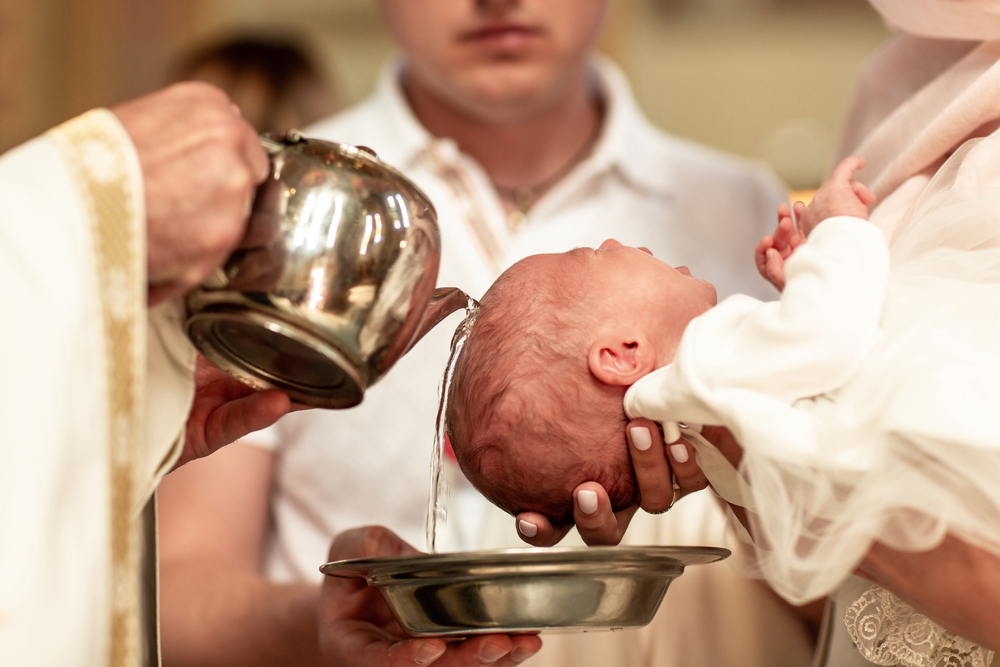
Naming conventions in Estonia often reflect the country's cultural heritage, with parents choosing names that carry familial or historical significance. Traditional ceremonies to welcome the newborn, such as christenings or name-giving events, are observed by many families, though practices may vary based on religious or personal preferences. The role of godparents remains significant in many communities, symbolizing a commitment to the child's upbringing and well-being.Beliefs, Customs, and Traditions
Estonian culture encompasses various beliefs and customs related to childbirth, some of which are rooted in folklore and regional traditions. While modern medical practices are widely adopted, certain families may incorporate traditional rituals or superstitions into the birthing process, reflecting the country's rich cultural tapestry.Parental Leave and Early Support
Estonia offers generous parental leave policies to support families during the early stages of child-rearing. Mothers are entitled to 140 days of maternity leave, with additional parental leave available to either parent until the child reaches three years of age. These benefits are designed to promote work-life balance and encourage family bonding during the critical early years.Birth Registration and Citizenship
Birth registration in Estonia is a straightforward process, typically completed at local vital statistics offices. A child born in Estonia acquires Estonian citizenship if at least one parent is an Estonian citizen. The registration process ensures the child's legal identity and access to various rights and services within the country.Birth Today
As of 2024, Estonia continues to experience a decline in birth rates, with 9,646 births recorded, marking the third consecutive year of record-low births since 1919. This trend is attributed to factors such as economic uncertainties and societal shifts leading families to postpone having children. Despite these challenges, Estonia maintains a robust healthcare system and supportive policies aimed at ensuring the well-being of mothers and children. ([stat.ee](https://stat.ee/en/news/1369285-people-estonias-population-decreased-according-preliminary-data?utm_source=openai))Birth at a Glance
| Indicator | Estonia |
|---|---|
| Live births (2024) | 9,646 |
| Total fertility rate (2024) | 1.18 |
| Mean age of mother at childbirth (2024) | 31.06 years |
| Mean age of mother at birth of first child (2024) | 28.93 years |
| Infant mortality rate (2024) | Data not available |
| Maternity leave duration | 140 days |
| Parental leave duration | Until child reaches 3 years |
| Birth registration | Mandatory |
| Citizenship by birth | Yes, if at least one parent is an Estonian citizen |
Copyright © 1993-2026 World Trade Press. All rights reserved.