


Estonia’s sports culture combines club-based competition with an active recreational calendar shaped by a long winter, forest and trail access, and a compact network of towns. Murdmaasuusatamine (cross-country skiing), jooksmine (running), jalgrattasõit (cycling), and jalgpall (football) all have visible places in everyday participation and public attention, while international results in winter disciplines, rallying, and team sports can concentrate national interest. Tallinn supplies the largest audiences and many leading clubs, but Tartu, Otepää, Saaremaa, and other communities also sustain distinctive events, facilities, and teams.
Individual Sport Participation
Recreational activity is commonly organized through sports clubs, municipal facilities, commercial providers, and informal use of parks, trails, and coastal areas. The Estonian Sports Register records a substantial club and association system alongside fitness, outdoor, and hobby-based activity. Running races, cycling events, skiing, swimming, hiking, and gym exercise provide avenues that do not require selection for a competitive team. Seasonal conditions matter: skiing and skating become more accessible in winter, while summer brings road and trail running, cycling, beach activity, and water sports.
Club sport is the principal route into organized competition. Local clubs enroll children and adults, enter athletes in federation calendars, and connect stronger juniors with specialized sports schools and national-team pathways. Discgolf (disc golf) has developed a particularly broad recreational and competitive presence through park courses, while orienteerumine (orienteering) draws on Estonia’s wooded terrain and map-making tradition. Endurance events also accommodate participants with different ambitions through shorter courses, relays, and nonelite categories.
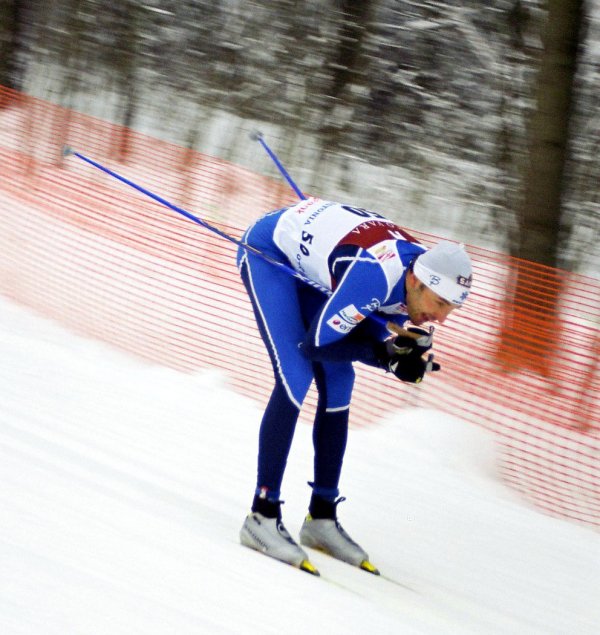
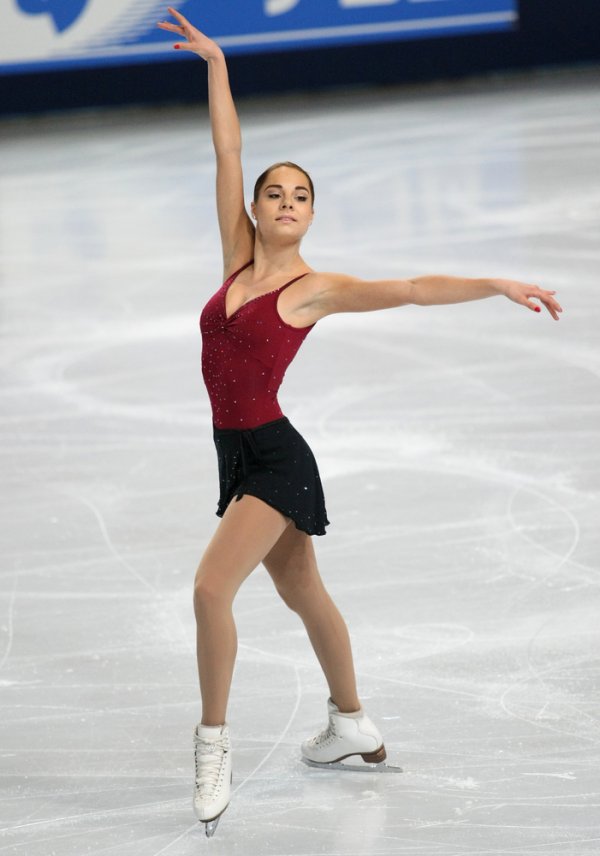
Elite individual athletes give certain sports an outsized public profile. The international careers of Nordic-combined skier Kristjan Ilves, freestyle skier Kelly Sildaru, and rally driver Ott Tänak, among others, have kept winter sports and motorsport in national conversation even though their training and competition are largely international. National federations and the Estonian Olympic Committee coordinate high-performance representation, but most participation remains local and recreational rather than elite.
School Sports
Physical education is part of Estonia’s national curriculum in basic and upper-secondary education. Schools are expected to develop movement competence, health knowledge, and regular activity rather than operate a nationwide US-style varsity system. Provision varies with school facilities, local-government resources, and access to nearby clubs; school lessons therefore coexist with after-school training rather than replacing it.
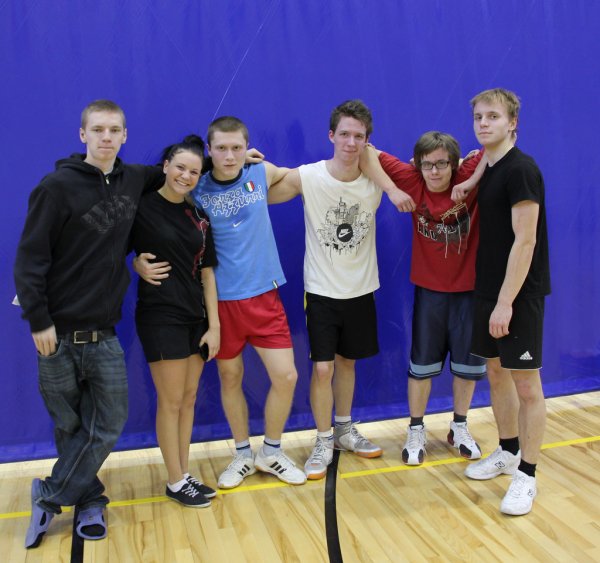
Eesti Koolispordi Liit or ESKL (Estonian School Sport Union) organizes interschool championships and participation events, giving pupils opportunities to represent their schools in sports such as athletics, ball games, cross-country running, and skiing. These competitions are important for school identity and participation, but high-level youth development is usually centered on independent clubs or municipal and private sports schools, where training is more frequent and coaching is sport-specific.
The separation between schooling and club development is especially visible among talented adolescents. A student may compete for a school in ESKL events while being registered with a club for federation competition, regional championships, and age-group national selection. This arrangement allows schools to support broad participation while specialist coaching, competition licensing, and progression to senior sport are handled outside the ordinary school timetable.
Professional Sports
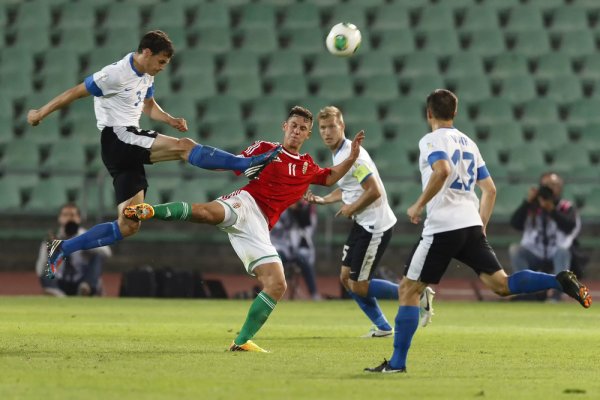
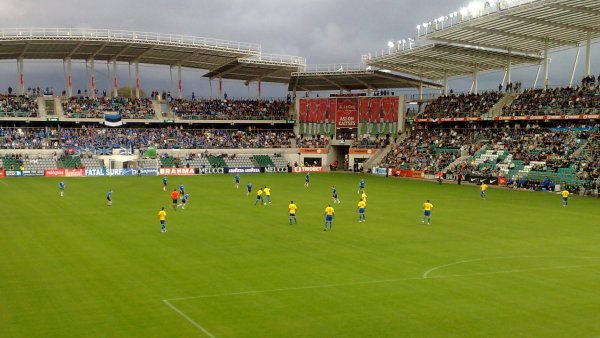
Estonia has a limited domestic fully professional sports market, and many leading domestic teams operate with mixed professional, semiprofessional, and amateur squads. Men’s football is organized around the A. Le Coq Premium Liiga, with clubs competing nationally and qualifying for UEFA competitions. The Estonia men’s national team attracts attention beyond weekly league crowds, particularly for home qualifiers in Tallinn. The women’s Meistriliiga provides the leading domestic women’s football competition, although it is not a broadly fully professional league.
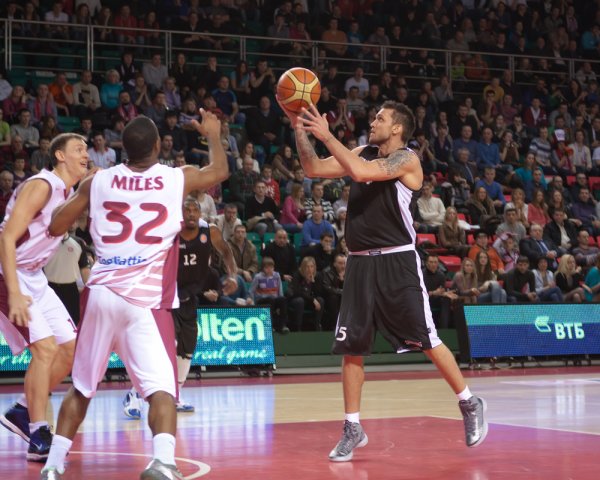
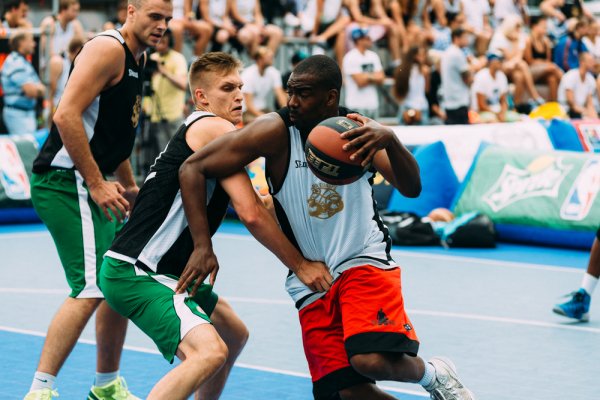
Korvpall (basketball) is another important spectator and player sport. Leading Estonian clubs compete in the cross-border Estonian-Latvian Basketball League as well as Estonian championship play and, when qualified, European competition. The national teams give basketball a wider episodic audience, and club loyalties are often connected to Tallinn, Tartu, Pärnu, or other local centers rather than to a single nationwide franchise model.
Võrkpall (volleyball) and jäähoki (ice hockey) maintain national leagues and Baltic or regional competitive links, but their employment structures are generally more modest than major European leagues. Women compete in organized domestic football, basketball, volleyball, and other federation competitions; however, Estonia does not have a large, stable domestic women’s fully professional league system. For many top Estonian athletes of all genders, the principal paid opportunities are international clubs, foreign leagues, sponsorship, or individual event circuits.
Major Spectator Sporting Events
Rally Estonia is the country’s most internationally prominent motorsport event. Its fast gravel stages in southern Estonia draw roadside spectators and follow a tradition of autoralli (rallying) strengthened by Tänak’s success. The event’s return to the FIA World Rally Championship in 2025, under a 2025–26 calendar agreement, has made it a major occasion for international visitors as well as domestic fans; the dispersed stage format also brings spectators into rural communities rather than confining the event to a stadium.
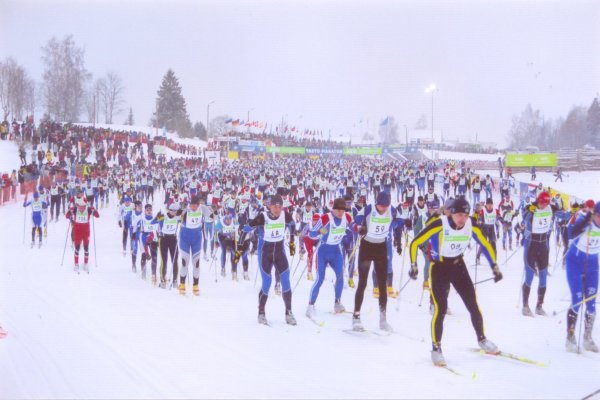
The Tartu Marathon is a central fixture of the winter endurance calendar and an internationally recognized long-distance ski event. Its mass-participation format links competitive skiers with recreational entrants, while weather and snow conditions can affect course design and race arrangements. Otepää, a winter-sport center, has also hosted major international Nordic and biathlon competitions, reinforcing its role as a focal point for winter-sport spectators.
Tallinn hosts national-team football matches and leading club fixtures at A. Le Coq Arena, as well as basketball, indoor athletics, and ice-hockey events at larger venues. The Tallinn Marathon and triathlon events bring spectators into the capital’s streets and waterfront while primarily serving participant fields. Across the country, public interest is often strongest when Estonian athletes or teams are in contention, whether at a local club match, a mass race, or an international event staged in Estonia.